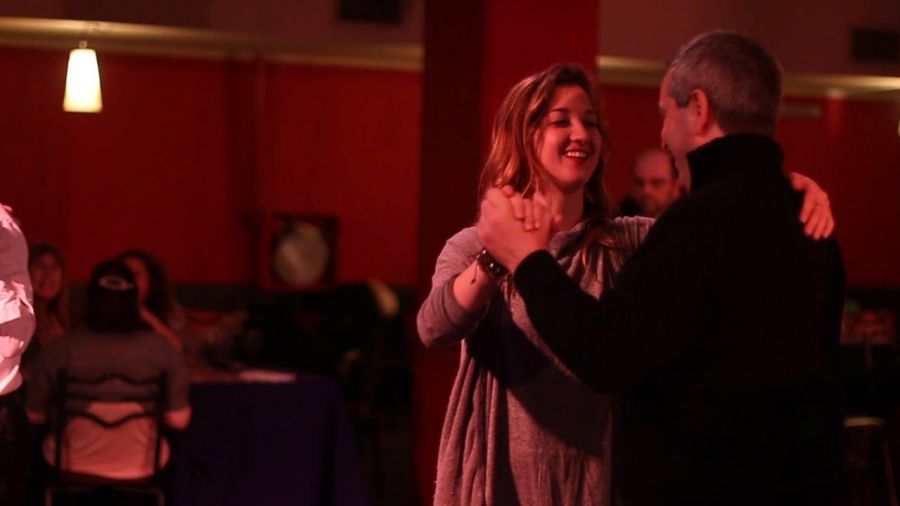
The first Tango song to be published was called ‘Tomá Mate Ché’ - you can’t get more argentine than that! This distinct and sensual dance has been around for a century and a half and has been constantly altered and developed, without losing its Argentine roots. For those of you who don’t know much about the dance or want to find out more, we have put together a few interesting facts about Tango:
- Tango sprung from the poor and underprivileged areas of the docklands of Buenos Aires. Like jazz, Tango started with the impoverished working class. The dance has its genesis in the middle of the 19th century in the south of Buenos Aires where the African and European immigrants would dance in the street and in the brothels. For this reason, Tango is a fusion of European, African and gaucho styles.
- The tango became popular due to a shortage of women. The majority of immigrants came to Buenos Aires for economic purposes: to raise enough money to take back to their families, and thus they were mostly men. In fact, in 1914 there were 100,000 more men than women in Argentina. The only way for a man to get close to a woman was either to go to a brothel or to dance, and be a good dancer at that. It is no surprise then that tango exudes passion, desperate longing and sexual innuendo. As the famous saying goes ‘Tango is a vertical expression of a horizontal desire’.
- The wealthy upper class Porteños looked down on the dance that they saw as a lowly and scandalous act. This was due to both the sexual undertones of the dance as well as the fact that tango often took place in the brothels, one of the only places of interaction between high and low class.
- During 1955-1983 Tango went underground. When the right wing, conservative coup overthrew general Peron in 1955 they did their best to rid society of Tango. The new military power was made of members of the upper class who tended to judge anything that Peron said was good to be bad. Peron being a nationalist and a populist often used Tango for political purposes. The military government prosecuted dancers and banned several Tango songs. Tango did not disappear all together but due to the repressive regime it lost its enormous popularity.
- Tango is the first couple dance in Europe to include improvisation. European dances were based on sequences and all dancers would dance in unison. This might explain the Tango’s enormous popularity when it bust into Europe in 1912, starting in Paris and later spreading to the rest of Europe. When the upper class Porteños heard about the Tango’s huge popularity in Europe they re-imported the tango for themselves!
If after reading our five facts about tango you are intrigued and want to find out more, check out the following Tango groups and composers! The first 3 are example of what is now known as Tango Electrónico or Electrotango,and the final 2 are examples of classic Tango.
- Tanghetto
- Gotan Project
- Bajofondo
- Astor Piazzolla
- Esteban Morgado


